Coruscant BESS
Dickens County, TX
Get to know the project
Coruscant
BESS
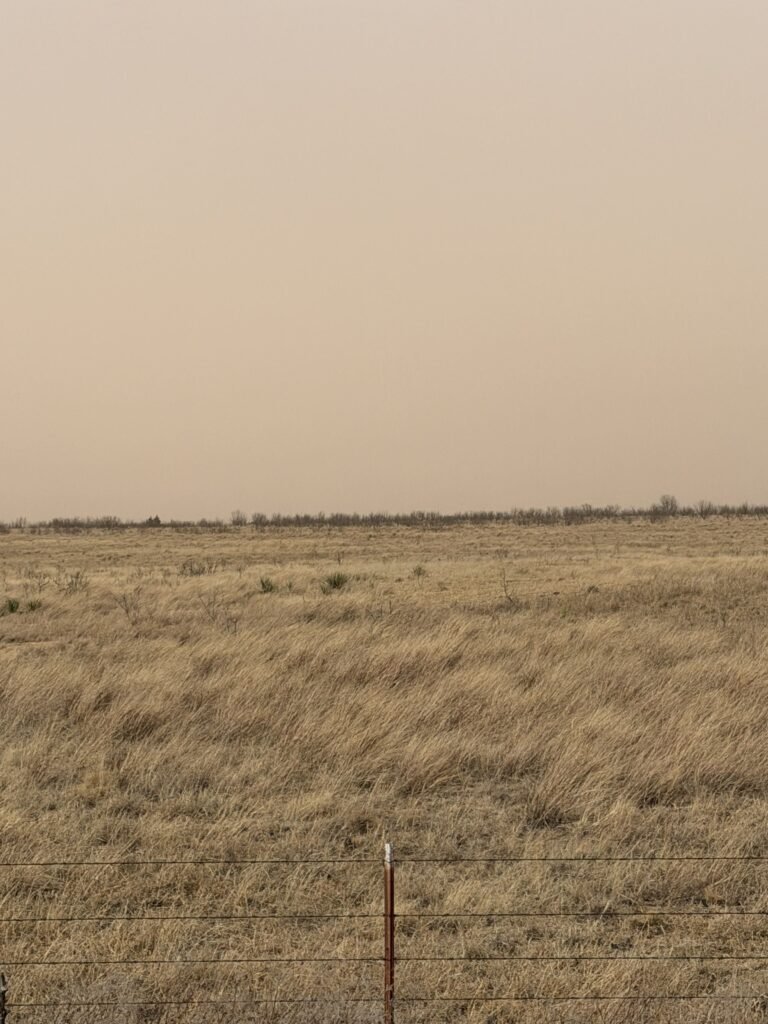
Coruscant BESS is a 400 MW BESS project at a site approximately 13 miles north of the outer limits of Dickens, Texas within Dickens County. The Project Site would be located on approximately 23 acres of primarily undeveloped land with areas of wooded ground and terraces across the Project Area. The Project would involve the construction of a BESS facility, including its associated infrastructure. The proposed point of interconnection will be determined by the Interconnection Agreement in August 2026. The project will incorporate appropriate environmental and construction best practices to minimize potential impacts during all phases of development, construction, and operation.
Project phases




Type of installation
BESS

Location
Dickens, Texas
Dickens County

Energy Production
400 MW @ POI
Across 23 acres

Renewable Power
100000
tonnes of CO₂ avoided annually.

Homes Powered
30,000 homes / year
During Peak Hours

Decomissioning
40 Year Lease
99% of materials recycled

Power Supply Duration
4 Hours
Land Acquisition and Initial Outreach
2023-2024
Project Planning, Environmental Review and Technical Studies
2024-2025
Stakeholder Engagement and Project Development
2025-2026
Construction Begins / BMP Implementation, Project Operations, and Continued Engagement
2026-2027+
About Us
We drive change
We are a team of passionate people who bring good energy to the world and drive positive changes for a more sustainable future. Our team accelerates the energy transition in 8 countries within Europe and America.
What makes us different?
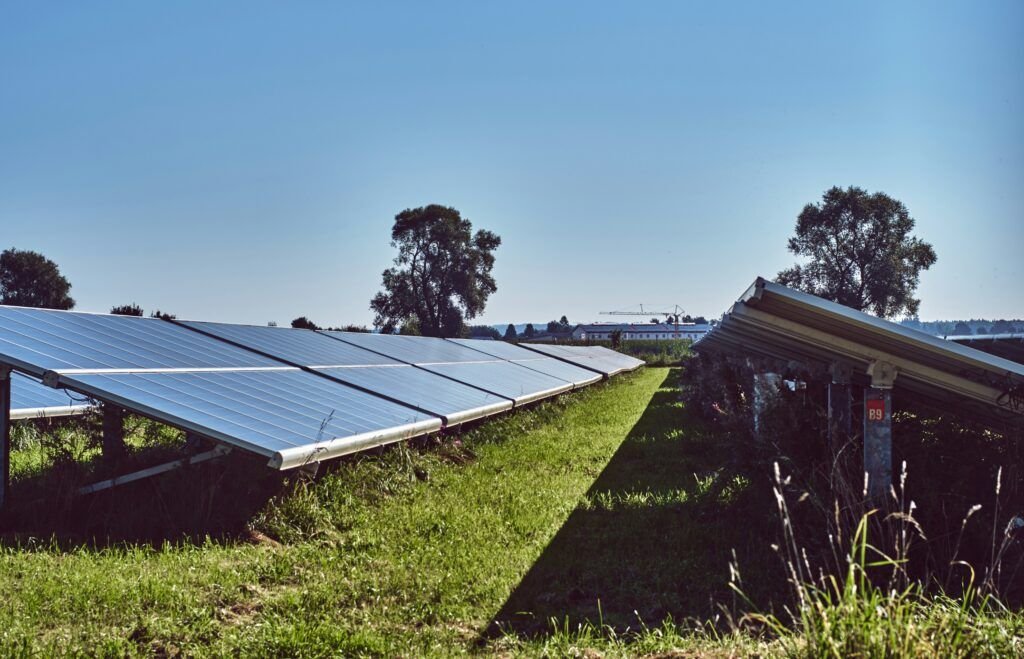
We care about the quality of each process. That is why we manage the entire life cycle of energy projects, from their origin to their operation and maintenance, and the management of the resulting assets.
Public Consultation Boards
FAQs
What does a BESS facility consist of?
A wind farm typically includes several key components to ensure it functions efficiently and safely:
Grid Capacity: A connection point to the local electricity grid with sufficient capacity to export generated power.
Electrical Infrastructure: On-site apparatus such as a private substation or transformer and a series of inverters distributed evenly throughout the site. Transformers are usually around 3 metres tall.
Battery Installation: Rows of fire-rated battery enclosures housing battery racks and modules with associated thermal management and fire detection / suppression technology.
Site Access Roads: Gravel roads for construction, operations, and maintenance.
What environmental studies are carried out?
Environmental constraints are identified early in the design process to help minimise impact. Detailed assessments are undertaken by specialists and typically include:
Biodiversity
Cultural heritage
Noise
Traffic
Landscape and visual impacts
Hydrology and flood risk
- Airspace / radar impacts
These studies support the planning approvals process and ensure that potential impacts are properly mitigated.
What can be recycled?
The vast majority of materials used in a BESS facility can be recycled, and ABEI ENERGY is committed to following best industry pracitces for decommissioning and land restoration.
BESS facilities include metals like lithium, nickel, cobalt, copper, and aluminum that can be recovered through established battery-recycling processes. As recycling infrastructure continues to expand across the US, the ability to reclaim and repurpose these materials is becoming increasingly efficient and environmentally beneficial.
At the end of the project’s operational life, the site will be decommissioned in line with current best practices. This includes removing above-ground infrastructure, responsibly managing battery recycling, and restoring the land, with recycling and reuse prioritized whenever possible. ABEI Energy plans for the full lifecycle of each project, ensuring responsible management from construction through end-of-life.
Do renewable energy projects affect property values?
Various studies on renewable energy development conducted over 10 years have found no significant long-term impacts on property values.* Further, at ABEI Energy, we take care to design our sites with sensitivity to the local area and nearby residents.
Where possible, projects are set back from homes, and the project layout is planned to respect existing land uses and community character. We also incorporate measures such as vegetation buffers, strategic siting, and visual-impact minimization to help the project blend into the surrounding landscape.
By prioritizing thoughful design and ongoing community engagement, we aim to ensure our projects fit well within the local context and continue to respect the character and value of the area.
* “Property Values.” Energy.gov, 2025, www.energy.gov/eere/wind/windexchange/windexchange/property-values.
* “Shedding Light on Large-Scale Solar Impacts: An Analysis of Property Values and Proximity to Photovoltaics across Six U.S. States | Energy Markets & Planning.” Lbl.gov, 2023, emp.lbl.gov/publications/shedding-light-large-scale-solar.
Are BESS facilities safe?
Yes, safety is a top priority for BESS development. BESS units are designed to isolate and contain thermal events. Emergency response plans are developed with local authorities, and systems are engineered to prevent fire spread. Although incidents are rare, local fire departments are trained on emergency procedures.
System components include: fire detection and suppression equipment, thermal management systems, and remote monitoring technology, all of which comply with national safety standards (e.g., UL 9540, NFPA 855)
We Want To Hear From You
Contact Us
Do you want to know more about the Coruscant BESS project?
We would love to hear from you. Fill out the form and we will get back to you as soon as possible. Whether it is a question about our process, a suggestion or you simply want more information, we are here to help.
Our team is ready to provide you with the best service and answer all your questions. Do not hesitate to write to us, together we promote a more sustainable future!
Address Abei Energy
3500 N Interstate 35, STE 700
Austin, TX 78705

projectcoruscant@abeienergy.com